Showing posts with label UEA project. Show all posts

Friday, November 30, 2012

Digital Literacy Project: The End

Today I worked with other inspirational teachers - Sarah, Niki and Adam  - at the UEA to show PGCE students our digital literacy work. The work was inspired by Kate Pullinger's 'Inanimate Alice' and I have blogged about the start of the project here.  When I started to put together a prezi for my presentation, I felt very proud of the work that my children did. It was lovely to spend time revisiting this work that we did at the end of the last school year. The whole project had a good feel to it and a great balance of drama, enquiry and ICT. We really explored our creativity in a great local environment.


When I looked back at posts on this blog I realised that I hadn't shown all of the work. My children's finished work was collated in a map so that parents could see some of their fabulous films, stories and poems all in one place. Of course there are more examples of my children's puppet pal movies, photostories and art work on their class blog. We did a lot and even got a comment from Michael Rosen! It is work that I will definitely repeat in some way!


                                                               View Digital stories by Badger Class in a larger map

Sunday, June 17, 2012

Digital literacy project part 2


Digital literacy, outdoor learning, art and drama all mashed up - I'm in teaching heaven!


Easi-speak chatterboxes
We had a lovely trip down to the fen last week to collect some digital assets and use our imaginations. Our digital assets included photos and videos on the ipads, audio recordings on easi-speak microphones and chatterboxes and photographs using a range of cameras. The children also had sketchbook 'field guides' that they had made by carefully folding recycled paper. You can see the fantastic time we had on our class blog.

Ipads outdoors
A creature!

 We took a range of storytelling props with us including an old canvas satchel, old rusty keys, a magnifying glass, old bottles, a hat (found on a tree) and a door (found in a tree).

Who lives here?
Creature clues!

A door in a tree
Look! Old keys! What are they for?


Next week in class we will be painting maps and the creatures we found, before animating them. We will be using photostory, crazytalk, puppet pals and I can animate amongst other digital resources. I have had a go at animating some of my creatures to see how well they will work on crazytalk. I may get the children to give them voices, using audacity. More importantly, the trip was such a success for inspiring the children's use of language and firing their imaginations that I aim to get some of them back down there in small groups during the week. 


Creatures from the field guide found in the satchel.


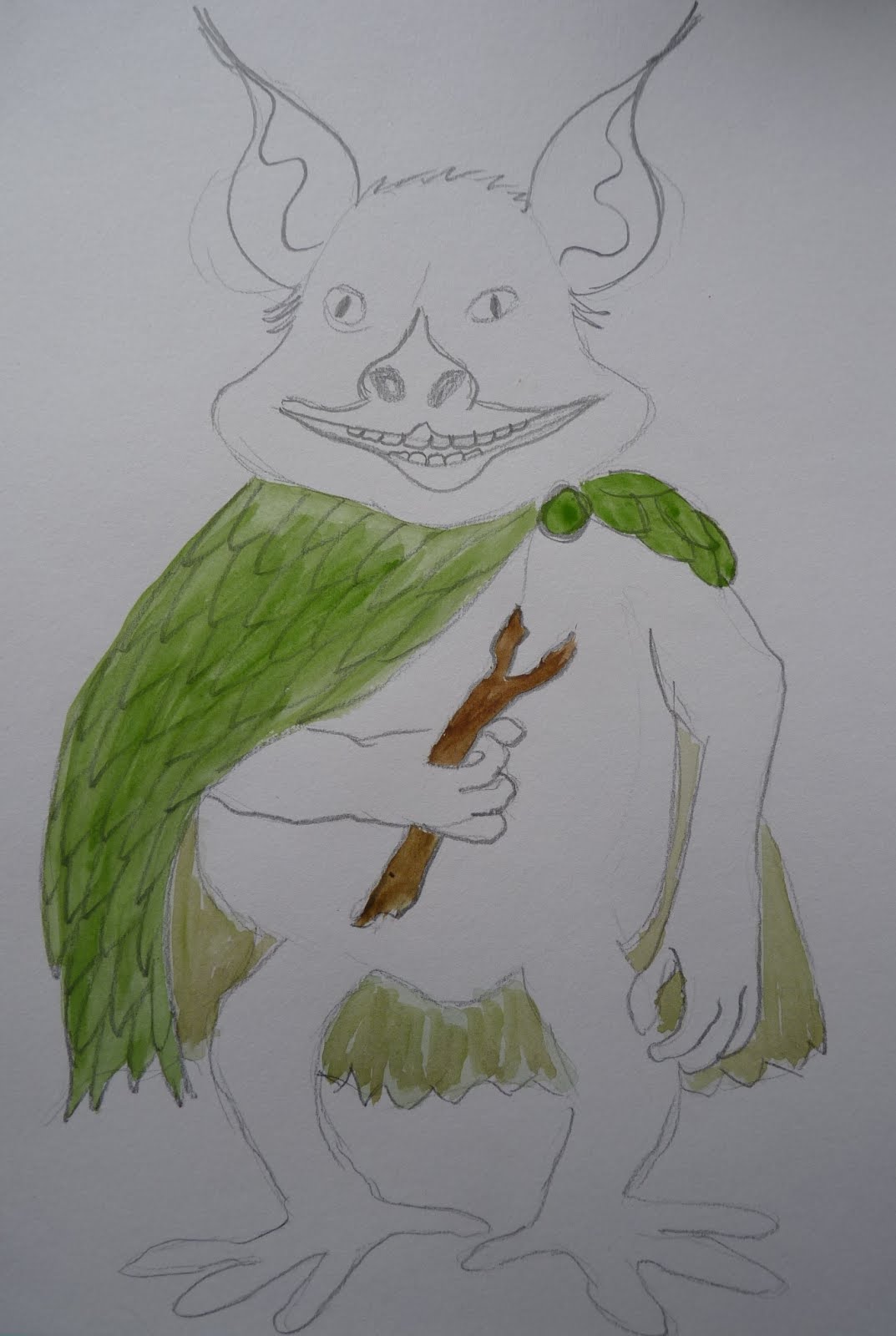
I have also created models for the children of a map (which we will 'find' in our usual mantle of the expert way) and a creature that I spotted at the fen. 


The creature is the second that is adapted from Spiderwick, after all we all need a little help with our imaginations sometimes. The Spiderwick Field Guide (a perfect £2 boot sale find) and copies of creatures will be available for the children, as their ability to create from their limited experiences could prove too much of a challenge. Recent work on habitats and adaptation may come in useful when we are thinking about our creatures though. 


Tuesday, June 5, 2012

Digital literacy project part 1

I was asked recently to participate in a digital literacy project at the UEA with other Norfolk teachers. This immediately excited me as it not only includes areas of teaching that I am passionate about, but also came at a time when ICT and literacy have become even more prominent in my working life. I have been employed by cluster schools to provide outreach for ICT, but with a strong emphasis on writing as it an area within the cluster targeted for development. I am also working with a fellow 'ex-AST' to put together an 'Inspiring Writing' blog, though credit must be given to Jenni for doing a much larger chunk of the work so far (this is a work in progress, not a fully polished site).

The project

The project has been inspired by Kate Pullinger, author of the innovative transmedia story Inanimate Alice, and put together by PGCE lecturers (Dr) Paul and Jeni. We were very fortunate that Kate had been invited to talk to us during this initial meeting and offer guidance and inspiration. For me, the inspiration came in
buckets!

The group

The group consisted of five Norfolk teachers, two of whom I already knew from twitter - Sarah Prentice and Niki Teasdale - and two other primary teachers, Helen and Adam. Sarah, like me is an avid blogger and Niki an avid writer. All of the other teachers in the project are part of a 'Writing Teachers' group led by Jeni and Sarah had used Kate Pullinger's work in class before, so was very familiar with her work.

Kate Pullinger

Kate introduced her Inanimate Alice  work and resources, which we had varying degrees of familiarity with. I had looked at it a while ago, as I had seen it mentioned on twitter, but had not considered it appropriate for my 2/1 class. I can see the huge potential it has for older children though and writing the next episode using Hackasaurus x-ray goggles must surely grip reluctant writers? (I will try this out at some point in my outreach work.) Kate then showed us a project that she had been involved in with schools in Ipswich called Ebb and Flow, which offered yet more inspiration for digital literacy. I will not go into detail about it here; the website speaks for itself.

My project

The brief is to develop a digital literacy storytelling project within our own schools, with the view to presenting it during a conference to PGCE students and teachers. I love the idea of using the local environment and am passionate about storytelling, so coming up with an idea was easy. In the first week back after the holidays I will be taking my children into local woodland to collect a range of digital assets (photographs, audio clips and videos). To get into the storytelling mood, we will take a range of props with us, which will have been 'found' inside a satchel and will form the start of a mantle/enquiry. As I was thinking about this, I remembered the Spiderwick Field Guide that a child in my class was obsessed with a few years ago. This offered more inspiration for props, which will include the bag itself, a magnifying glass, a map of the local fen and woodland, a pair of tweezers, a specimen jar and a field guide.

I have been creating the field guide this week and am thoroughly enjoying it. One of the pictures has been inspired by a Spiderwick creature, another by Shaun Tan (not finished yet, so not shown). The rest are just sketches that I have developed. I will add more throughout the holidays as and when I have time.


The idea is that the children will go down to the local fen, spot some creatures, then share stories about them in dens that they have made. The fen is a perfect place as there are lovely boggy parts, small and large wooded areas and plenty of space for den building and story telling. Getting into the role of field explorer will be easy. I am toying with the idea of using carefully positioned QR codes for some of them to 'find' creatures that I have created, but I'm not sure if this type of staging will be beneficial. I do want the children to 'spot' their own creatures, but I know that some may struggle with this.

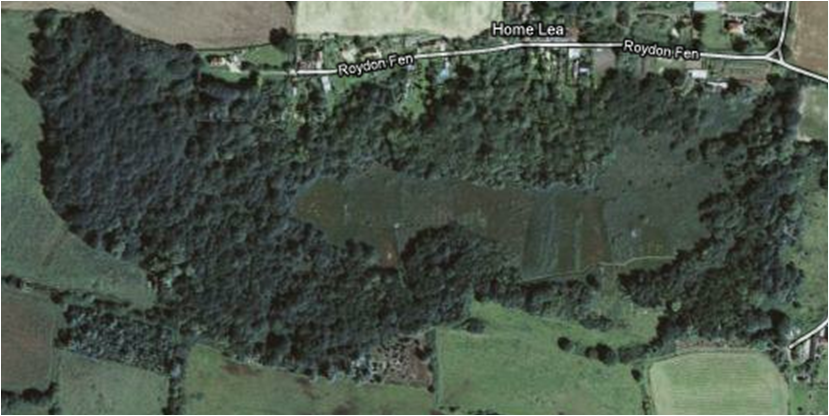
Roydon Fen


I am imagining that the 'explorers' will collect audio clips of their observations, thoughts and feelings in the style of  David Attenborough, with photos of the environment and the props they are using. I will ask my army of parent helpers to do their best to model the language that might be used when a new creature is seen. We will take with us our ipads, cameras, easispeak recorders, chatterboxes and phones. The 'explorers' will have their own field guides too, created from recycled paper, in which they will make their observations.

I have a lot of ideas for the outcomes of their work, but am keen that the children suggest what they should do. They often come up with better ideas! Possibilities include:

  • Top trump style cards created in powerpoint or textease, with animations (using puppet pals or visualisers) instead of pictures of the creatures 
  • Interactive storytelling maps inspired by Tom Barrett at #gtauk (they are not familiar with these, so I will suggest them)
  • Pictures of the fens that have stories/poems embedded in them
  • E-books, using book creator
  • Photostories
  • Creature pictures with stories embedded or linked
  • Sticky note poems using linoit
I will continue to blog about this over the next couple of weeks. I hope it has offered some inspiration - please let me know if it has! I am fired up already and looking forward to an assessment free half term!